

- Home
- »
- Blefaroplasti
Blefaroplasti
Blepharoplasty is also known as eyelid aesthetics. It is a set of surgical procedures performed by a plastic surgeon to remove sagging skin and excess muscle tissue and to tighten the tissues around the eyes, applied to the lower and upper eyelids.


8 DAYS
Accomodation
DURATION
2-5 Hours
5-7 DAYS
Healing
7 DAYS
Follow-Up Visit
Blefaroplasti
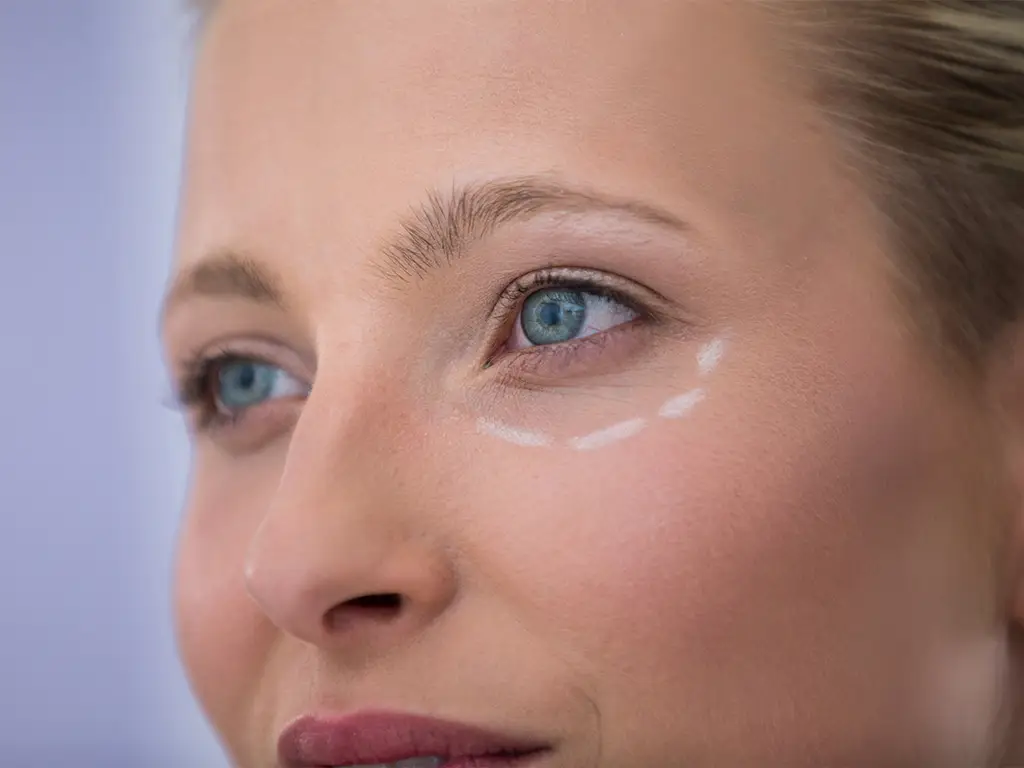
What is Blepharoplasty?
Blepharoplasty is also known as eyelid aesthetics. It is a set of surgical procedures performed by a plastic surgeon to remove sagging skin and excess muscle tissue and to tighten the tissues around the eyes, applied to the lower and upper eyelids. The term blepharoplasty is of Greek origin; “blepharon” means eyelid and “plastikos” means shaping.
Why is Blepharoplasty Preferred?
People may choose blepharoplasty for several reasons:
Aesthetic Reasons: Signs of aging of the eyelid, especially conditions such as bags under the eyes or sagging of the upper eyelid, can cause aesthetic concerns for many people. Blepharoplasty aims to achieve a younger and more vigorous appearance by reducing these symptoms.
Opening the Visual Field: Excessive sagging of the upper eyelid can narrow the person’s visual field and cause visual discomfort. Blepharoplasty corrects this sagging and provides a better visual experience.
Improving Eyelid Function: Excessive drooping or laxity can make it difficult for the eyelids to function normally. This can lead to functional problems such as dry eyes.
Blepharoplasty can improve comfort by correcting these functional problems.
Does Eyelid Aesthetics Provide Long-Term Results?
Blepharoplasty generally provides long-term results. The younger and more vigorous appearance of the eyelids after surgery is usually permanent. However, as the aging process continues, the skin around the eyes may become loose again. However, with regular skin care and anti-aging treatments, the results can be maintained for a long time.
Things to Consider After Eyelid Aesthetics
Some important points to consider after blepharoplasty are:
Rest and Recovery: Take time to rest and recover after surgery. Avoid strenuous activities such as keeping your eyes closed all the time or watching television.
Cold Application: You can use ice packs or cold compresses to reduce post-operative swelling. However, avoid placing the ice pack in direct contact with the eyelids.
Use of Eye Drops: Regularly use eye drops recommended by your doctor to keep your eyes moist. Use of Glasses and Lenses: Avoid wearing glasses or contact lenses for a while after surgery, and do not make any changes without your doctor’s approval.
Smoking and Alcohol: Smoking and consuming alcohol during the post-operative recovery period can affect blood circulation and delay healing, so avoid these substances.
How is eyelid aesthetics (blepharoplasty) performed?
Eyelid aesthetics or blepharoplasty is a surgical procedure usually performed on the lower and upper eyelids. This procedure involves removing excess skin, fat, or muscle tissue from the eyelid and reshaping the tissues around the eye. Here’s how blepharoplasty is done:
1. Patient Evaluation: First, the plastic surgeon evaluates the patient’s eyelid structure and the need for surgery. Sagging, bagging and other symptoms in the eyelid are examined. The patient is informed about his health status and surgery expectations.
2. Anesthesia: Blepharoplasty is usually performed under local anesthesia. In some cases, sedation or general anesthesia may also be preferred, depending on the patient’s preference or the surgeon’s recommendation.
3. Determining the Incision Location: In pre-operative planning, the locations of the incisions where excess skin and fat on the eyelid will be removed are determined. Incisions are usually made in the natural folds of the eyelid or under the lash line under the eye, so that scars are as minimally visible as possible.
4. Tissue Removal: The plastic surgeon makes incisions and removes excess skin, fat or muscle tissue when necessary. In the lower eyelids, fat bags are usually removed or reshaped.
5. Tissue Reshaping: The remaining skin and muscle tissue in the eyelid is reshaped and tightened as necessary to achieve the desired result.
6. Incision Closure: The incisions are carefully closed and closed with fine stitches. Since the stitches used are usually dissolvable, stitch removal is not required.
7. Cold Compresses and Bandages: After surgery, cold compresses and a light bandage can be applied. This helps reduce swelling and bruising and speeds up the healing process.
Blepharoplasty usually takes about an hour and the patient can be discharged the same day. The healing process is usually completed within a few weeks, but full recovery and results may take several months to appear. Being especially careful and following the doctor’s recommendations will help increase postoperative success.
Starting from what age should eyelid aesthetics (blepharoplasty) be performed?
Eyelid aesthetics or blepharoplasty can usually be performed when signs of aging begin to appear. However, there is no specific age limit and each individual’s situation is different.
Often candidates for blepharoplastys:
1. Those Showing Signs of Aging: Those who show signs of aging such as sagging, bagging or skin loosening of the eyelids may be suitable candidates for blepharoplasty. These symptoms usually begin to appear between the ages of 35-40, but the aging process may differ from person to person.
2. Those with Suitable Health Conditions: Blepharoplasty is generally applied to healthy individuals. Additional evaluations may be performed before surgery for those with health problems such as smoking, high blood pressure, or a significant disease or infection of the skin.
3. Visual and Psychological Impact: If sagging or bagging of the eyelid affects vision or reduces the person’s self-confidence, blepharoplasty may be considered.
Although blepharoplasty is a surgical procedure that can be performed at any age, it is generally more common in people aged 35 and over. In some cases, blepharoplasty can be performed at young ages for genetic reasons or post-traumatic problems.
The important thing is to evaluate the individual’s condition and determine his suitability for surgery.



