

- Home
- »
- Fat Injection to The Face
Fat Injection to the Face
Facial fat injection is an aesthetic surgery procedure performed to transfer fat to certain areas on the face.


8 DAYS
Accomodation
DURATION
2-5 Hours
5-7 DAYS
Healing
7 DAYS
Follow-Up Visit
Fat Injection to the Face
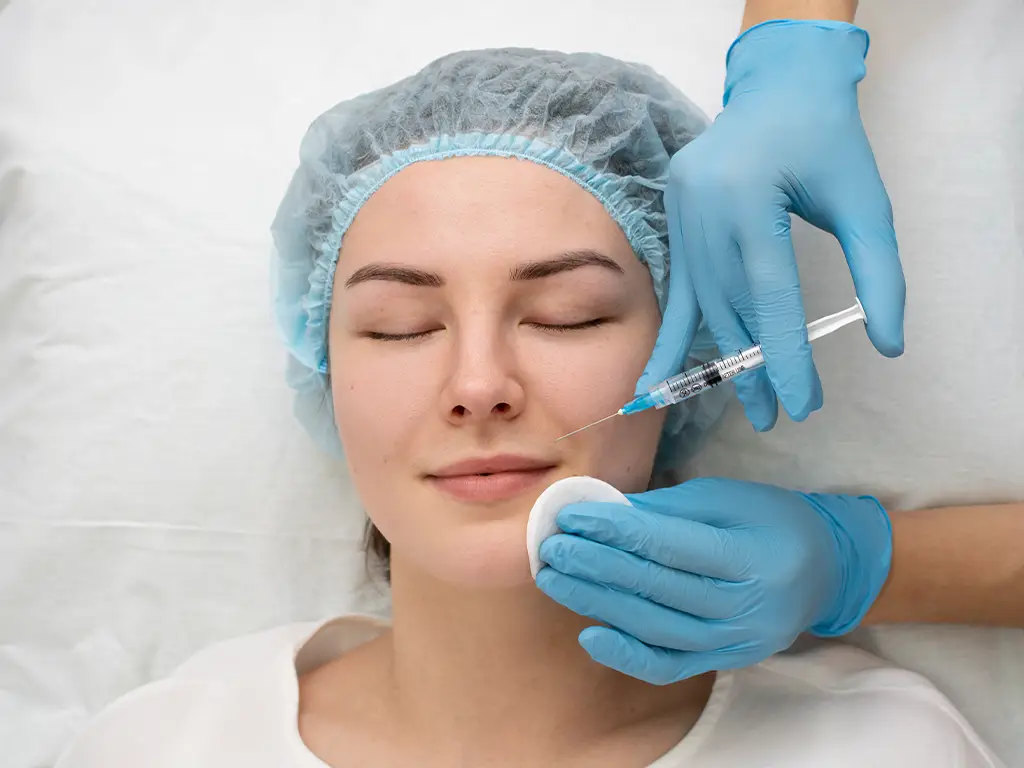
What is Facial Fat Injection?
Facial fat injection is an aesthetic surgery procedure performed to transfer fat to certain areas on the face. In this process, fat tissue taken from other parts of the body is sterilized and injected into the face. Fat injection into the face is preferred to compensate for facial volume loss, fill wrinkles, reduce scars and shape facial lines.
Why is oil injected into the face?
Those who consider facial fat injection surgery are generally those who want to compensate for the volume loss in their face or correct wrinkles in certain areas. Facial volume loss may occur due to aging, weight loss or genetic factors, causing the face to look old and lifeless. Facial fat injection offers an effective solution to regain this volume loss and achieve a younger and fuller appearance.
Does Injecting Oil into the Face Give Permanent Results?
The results of facial fat injection are generally long-lasting or permanent. Because the injected fat tissue is generally accepted as permanent by the body. However, factors such as the aging process, genetic factors and lifestyle can affect the long-term durability of the results. Therefore, some patients may require additional injections or other aesthetic procedures over time.
What are the effects of fat injection into the face?
Fat injection is generally used to plump lips, reduce deep wrinkles and plump cheekbones. We can list the effects of fat injections to the facial area as follows:
1. Volume Gain: Some of the fat injected into the facial area is absorbed by the body and the volume loss caused by aging is compensated.
2. Increasing Collagen Production: Fat injection supports skin rejuvenation by increasing collagen production.
3. Bringing Vitality to the Skin: The transferred fat cells act like stem cells, revitalizing the skin and providing a youthful appearance.
4. Persistence: Approximately 40% of the injected fat can remain permanent for 6 months.
5. Temporary Effects of Edema and Bruises: After the procedure, facial edema and bruising may occur in the area where the fat was removed. However, these effects usually subside within a week or ten days, after which fullness becomes visible.
What Should Be Considered After Facial Fat Injection?
After facial fat injection surgery, there are a few important points that patients should pay attention to. First, swelling, bruising, and mild pain are normal after surgery. These symptoms usually subside within a few days, but you can speed up the healing process with medications and ice applications recommended by your doctor. Additionally, you should avoid applying excessive pressure to your face in the postoperative period and take care to eat and rest in accordance with your doctor’s recommendations.
Is Facial Fat Injection Risky?
Facial fat injection surgery has some risks. These may include infection, excessive fat absorption or uneven distribution of fatty tissue, tissue loss, swelling, or hypersensitivity. However, these risks are generally minimal in procedures performed by an experienced surgeon.
Who May Consider Facial Fat Injection?
Facial fat injection is a suitable option for people who experience facial volume loss or want to correct wrinkles in certain areas. Generally, those who are young, healthy and suitable for surgery may consider this procedure. However, pregnant or breastfeeding women, those with serious health problems, or those with extremely oily skin should consult their doctor before performing this procedure.
In conclusion, facial fat injection is an effective aesthetic procedure for those who want to shape facial contours, compensate for volume loss and achieve a more youthful appearance. However, as with every surgical procedure, this procedure has certain risks and points to be considered during the healing process. It is important for patients to follow all instructions before and after the procedure and to communicate with our doctor.



